How Much Does Tree Removal Cost in Bowling Green?
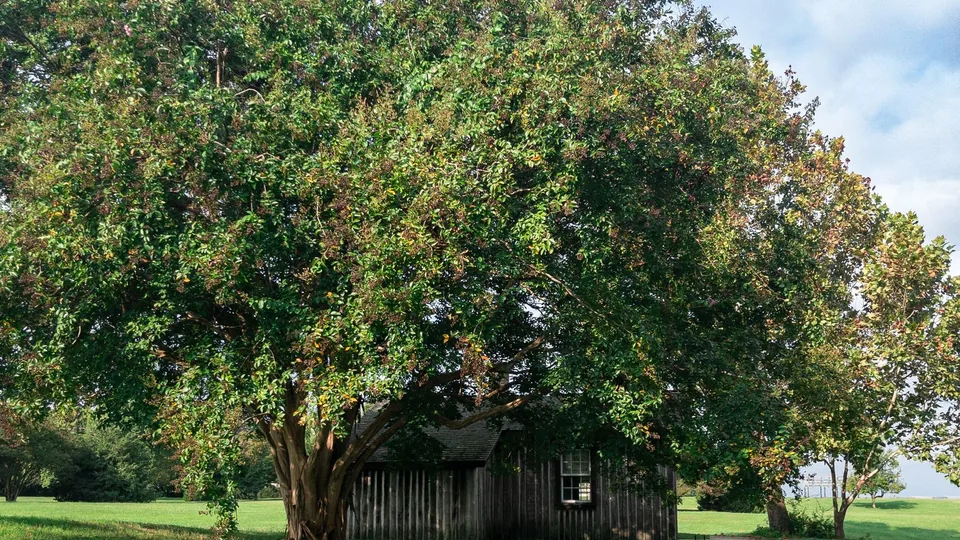
It is the first question everyone asks, and most tree sites dodge it. So here is the honest version: there is no single price for taking down a tree, because a tree is not a catalog item. What a removal costs comes down to how big the tree is, where it stands in relation to things that can be damaged, what condition it is in, and whether a crew can actually get to it. Two trees that look the same from the street can be very different jobs — one an afternoon in an open yard, the other a full day of rigging over a roof.
We cannot print a real number on this page and have it mean anything for your tree. What we can do is show you exactly what moves the cost, so you can size up your own situation and recognize a quote that is too cheap to be safe. Call (270) 780-3310 for a free, no-obligation estimate on your property.
Size Sets the Floor
The starting point is the tree itself — its height and, just as important, the diameter and weight of its trunk and limbs. A slender ornamental and a towering hardwood are not remotely the same amount of material to cut, lower, and haul, and cost climbs with size on every one of those fronts. A big tree also holds more stored energy in its lean and its limbs, which means more time spent taking it apart carefully rather than quickly. Get a rough sense of the height and the trunk size and you have the first, biggest input into the number.
Location Sets the Ceiling
This is the factor people underestimate, and around a house it often matters more than size. A tree with open space around it can be felled whole in a single controlled cut into a clear drop zone — the fastest, cheapest way to take a tree down. The moment there is a roof, a fence, a pool, a deck, or a neighbor within reach of the fall, that option is gone. Now the tree has to be climbed or reached with an aerial lift and dismantled from the top down, with each cut piece roped and lowered under control so nothing lands where it should not.
That controlled, piece-by-piece work is far more labor than dropping the same tree in a field, and on the largest or most hemmed-in jobs it means bringing in a crane to lift whole sections out over the house. It is the tree-removal equivalent of the hidden work that decides any real quote: what you are paying for is not just cutting the tree, but controlling exactly where every part of it goes.
Condition and Species
What the tree is, and what shape it is in, both move the number. Dense hardwoods are heavier and slower to cut than soft, fast-growing species, so a big oak or hackberry is more work than its height alone suggests. Condition can matter even more: a dead or storm-damaged tree is often more expensive to remove than a healthy one the same size, because brittle wood is unpredictable and dangerous. The dead ash the borer has left across the county is the clearest example — it must be handled with extra care, and sometimes only from a lift or crane, precisely because a climber cannot trust it.
Access to the Tree
Getting to the tree, and getting the debris out, is its own cost. A tree a chipper and a lift can pull right up to is cheaper to handle than one behind a locked gate, up a slope, in a fenced back yard, or across ground too soft or too rocky to drive on. Warren County’s karst ground plays in here too — thin soil over ledge and the odd sinkhole can limit where heavy equipment goes. The harder it is to reach a tree and carry the wood away, the more time the job takes, and time is the thing you are ultimately paying for.
Stump Grinding Is a Separate Line
Removing the tree and grinding the stump are two different jobs with two different machines, so the stump is quoted on its own line rather than folded into the removal. That is in your favor — the choice to grind it, and how far down, is yours, depending on whether you plan to replant, lay lawn, or simply be rid of the eyesore. If you assume grinding is included and it is not, a removal quote can look artificially low next to one that bundled it, so it is always worth asking what a number does and does not cover. The stump grinding page explains the choices.
Debris, Cleanup, and Emergencies
What happens to the wood is part of the price. Chipping the brush on site and hauling off the logs, or leaving rounds cut for firewood, are different amounts of labor, and a full haul-off costs more than leaving the wood stacked. It is worth being clear up front about what you want left behind. Emergency and after-hours storm work is its own category as well — a tree already on the house, cut in the dark or the rain under time pressure, is a harder and riskier job than the same tree handled on a calm scheduled morning, and it is priced accordingly.
How to Read a Cheap Quote
When one bid comes in far below the others, it is rarely a better deal — it is usually a different, and more dangerous, plan. The cheap number often comes from skipping the rigging a tree near a structure needs, from a crew without the gear to reach a tree safely, or from leaving out the stump, the haul-off, or the coordination a wire nearby requires. You do not see the difference on paper; you see it if a limb goes through the roof or the yard is left a wreck. Ask any quote two plain questions — how the tree is coming down, and what the price includes — and a serious answer to both tells you more than the number does.
The Only Way to Get a Real Number
Every factor above has to be read on site: the true size, the drop zone or lack of one, the condition of the wood, and the way in for equipment. That is why no honest tree company prices a removal over the phone, and it is not a sales dodge — it is the actual reason the question has no one-size answer. We will come out, look at the tree and everything around it, tell you plainly how it should come down and whether it even needs to, and give you a clear quote with no pressure. Call (270) 780-3310 or request a free quote online.
Bowling Green Tree Removal Cost — FAQ
What is the single biggest factor in tree removal cost? Two things together: the size of the tree and how close it is to something that can be damaged. A tall, heavy tree takes more work to dismantle, and a tree standing over a house, a fence, or a wire has to be lowered in controlled pieces rather than simply felled — which is far more labor than dropping the same tree in an open field. Size sets the floor; the surroundings often set the ceiling.
Is grinding the stump included in the removal price? No. Grinding the stump is billed separately, on its own line and with its own machine, so whether to grind it — and how far down — stays your call instead of being folded into the takedown. Plenty of people do both together, but the removal price covers dropping the tree and clearing debris; the stump is a choice of its own.
Can you give me a price over the phone? Not an honest one. The things that decide the cost — the tree’s real size and condition, how close it stands to structures and wires, whether the crew can get equipment to it — cannot be judged from a photo or a description. The on-site estimate is free, and it is the only way to give you a number you can actually rely on.
Does a dead tree cost more or less to remove? Often more, not less, even though there is less to haul. Dead wood — especially the ash the borer has killed — turns brittle, so limbs snap without warning and a climber cannot trust the bark or the branch structure. That added risk usually means a more careful, sometimes lift- or crane-assisted approach, which is why a long-dead tree can cost more than a living one the same size.
Why is a tree by my house more expensive than one in the open? Because of how it has to come down. A tree with a clear drop zone can be felled in one controlled cut. A tree over a roof, a pool, or the neighbor’s yard has to be climbed or reached with a lift and taken apart piece by piece, with each section roped and lowered under control — or lifted out by crane on the largest jobs. That control is skilled, slower work, and it is what you are paying for near a structure.
A tree is on or near the power line. How does that affect the job? When a tree is up against a primary electrical line, clearing it is the utility's own specialized line work around live wires, so they get the first call before anyone else. That is not a cost we quote; it is a safety line we do not cross. Once they have dealt with the wire, we can estimate the remaining tree work normally.
Get a Free Bowling Green Tree Removal Quote
Free, no-obligation estimates across Warren County. Tell us about the tree, the stump, or the storm damage.
Call (270) 780-3310